Debut invitation wording: how to invite guests to a Filipino debut
A complete guide to Filipino debut invitations for a global reader: what the day means, wording samples, timing, dress, and how to invite participants in the 18 roses and 18 candles.
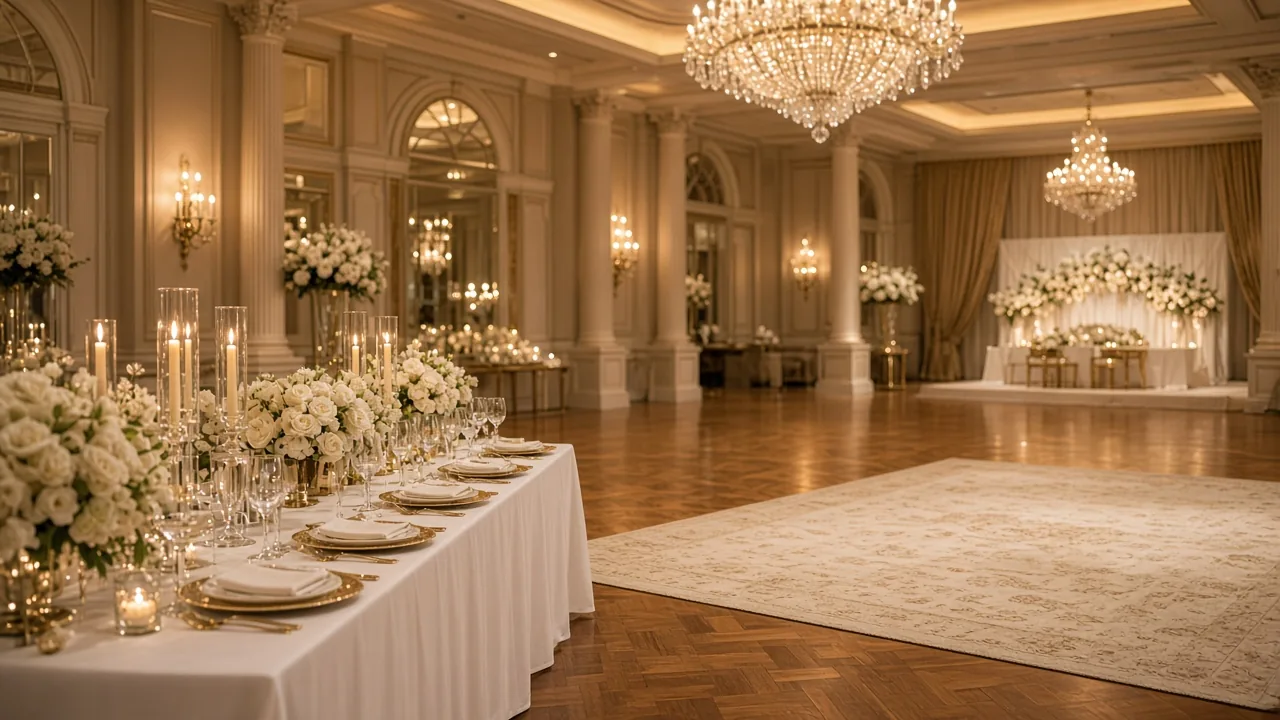
A debut is a Filipino coming-of-age celebration for a young woman turning 18. The word is used this way in the Philippines and in Filipino communities around the world. It is a birthday, and it is also a formal presentation: family and friends are invited to mark the start of adulthood with a programme, often in the evening, often in formal dress.
If you are writing invitations for guests who did not grow up with this tradition, the card should do a little explaining without turning into a lecture. The honoree’s name, the fact that she is turning 18, the time, the place, and the dress will do most of the work. A short line such as “her debut” or “as she celebrates her debut” tells guests that this is more than an ordinary birthday dinner.
Invite people to a debut, not only to an 18th birthday, if that is the day you are giving. Then tell them how formal it is, and how to reply.
Names in the samples are invented. The debut invitations can carry the wording, with replies on the same page. For a less formal 18th birthday, birthday invitation wording may be a better fit.
What a debut usually includes
Not every debut has the same programme, and nothing below is a rule. These are elements that many families include, and that guests may be asked to take part in.
- A formal entrance. The debutante is often presented, sometimes with her parents, after guests have arrived.
- Eighteen roses. Eighteen men, often relatives and friends, each present a rose and share a short dance. The last dance is commonly reserved for a father, a parent, or a partner.
- Eighteen candles. Eighteen women, often relatives and close friends, each light a candle and offer a short wish or speech.
- Eighteen treasures. In some debuts, eighteen small gifts or tokens are presented, each with a wish for the years ahead.
- A cotillion or debut dance. A choreographed dance with a court of friends, where the family has chosen to include one.
- A father-daughter dance, speeches, dinner, and a party. The balance of these varies with the venue and the family.
The people who will offer a rose, a candle, or a speech should be asked personally, and earlier than the general invitation. A guest should not first learn that they are “rose number seven” from a card or a group chat they were not expecting.
Related celebrations, so guests are not confused
A debut is sometimes compared to other coming-of-age birthdays, and the comparison can help a guest from outside the tradition, as long as it stays accurate.
A quinceañera, celebrated in many Mexican and other Latin American families, marks a girl’s 15th birthday with a religious or formal programme and a party. A sweet sixteen is a familiar North American milestone, often less formal than a debut, though it can be dressed up. In Japan, Coming of Age Day (Seijin no Hi) is a public holiday in January, when municipalities hold ceremonies for young people who have reached adulthood. The legal age of majority in Japan is now 18, though local ceremonies have not all used the same age, and many have long honoured those who have turned 20. These days are not debuts. If your invitation is for a Filipino debut, use that word, and let the other traditions stay what they are.
What to put on a debut invitation
- The hosts. Often the parents, sometimes the family as a whole.
- The debutante’s name. And, if you wish, “on the occasion of her 18th birthday” or “as she celebrates her debut.”
- The date and time. Month in words. Evening start times are common.
- The venue, the city, and the country if guests will travel.
- Dress. “Formal,” “black tie,” or “evening attire” matters here, because many guests will pack for it.
- How and when to reply.
- Whether a guest may bring a partner. Be explicit.
- A short outline of the evening, if it will help. “Dinner, programme, and dancing,” for example.
The names of the 18 roses and 18 candles, a seating note, a gift preference, and travel details belong on a page, or in a personal note to those taking part.
Wording samples
Mr and Mrs Rafael and Isabel Santos
request the pleasure of your company
at the debut of their daughter

Maria Elena Santos

Saturday, 14 August 2027
at six o’clock in the evening
The Grand Palm Ballroom, Makati

Formal attire.
Kindly reply by Friday, 16 July 2027.
With our family, we invite you to celebrate the debut of our daughter

Angela Reyes Cruz
as she turns 18

Saturday, 2 October 2027
at half past five in the evening
The Riverside Hotel, Toronto

Dinner, programme, and dancing to follow.
Evening attire.
Please reply by Friday, 3 September 2027.
Please join us for a formal evening
to celebrate the debut of

Sofia Lim
on her 18th birthday

Saturday, 6 November 2027
at six o’clock in the evening
The Hall at St George, Melbourne

A Filipino coming-of-age celebration, with dinner and a short programme.
Formal dress.
Kindly reply by Friday, 8 October 2027.

When to send debut invitations
A debut is often planned like a formal evening, and the timing should match.
- Save-the-dates: four to six months ahead if many guests will fly, or if the celebration is in a peak travel season. Filipino families are often spread across countries, so this is common rather than exceptional.
- Invitations: eight to twelve weeks before the date is a comfortable range. Six weeks can work for a mostly local list, but it is tight for formal dress and travel.
- Personal invitations to the 18 roses, 18 candles, and speakers: earlier still, often when the programme is first drafted, so they can accept, decline, or help you choose someone else.
- RSVP deadline: three to four weeks before, earlier if the venue needs a final number or a seating plan.
Write the month in words, and include the city and country. Relatives in Manila, Dubai, Los Angeles, and London should not have to decode a numeric date or a venue name they cannot search.
Dress, gifts, and plus-ones
If the evening is formal, say so. Guests who have never been to a debut may otherwise arrive underdressed for a ballroom, or overdressed for a restaurant lunch. If there is a colour you would like the court or the family to wear, tell those people directly; you do not have to print a dress code for every guest in a single colour unless you mean it.
Gifts are customary in many families and not required in any strict sense. If you have a list, keep it on your page. If you would prefer no gifts, say so kindly. Plus-ones should be written on the invitation. A debut dinner is usually a seated event, and surprise partners are hard to place.
Digital invitations and RSVPs
A digital invitation is a strong choice when your guest list spans several countries. You can include a short explanation of the debut, a map, a programme, and a reply form in one place, and you can update the page if a time changes. With Sealed RSVP, the invitation and the RSVP live together, so you can ask about meal choices, partners, and, separately, confirm the 18 roses and 18 candles.
Keep the personal asks personal. The public invitation can describe the evening. The request to light a candle should still come from the family, with time to accept.
Please reply by Friday, 16 July 2027,
using the link on this page.
Kindly tell us if you will be attending with a guest.
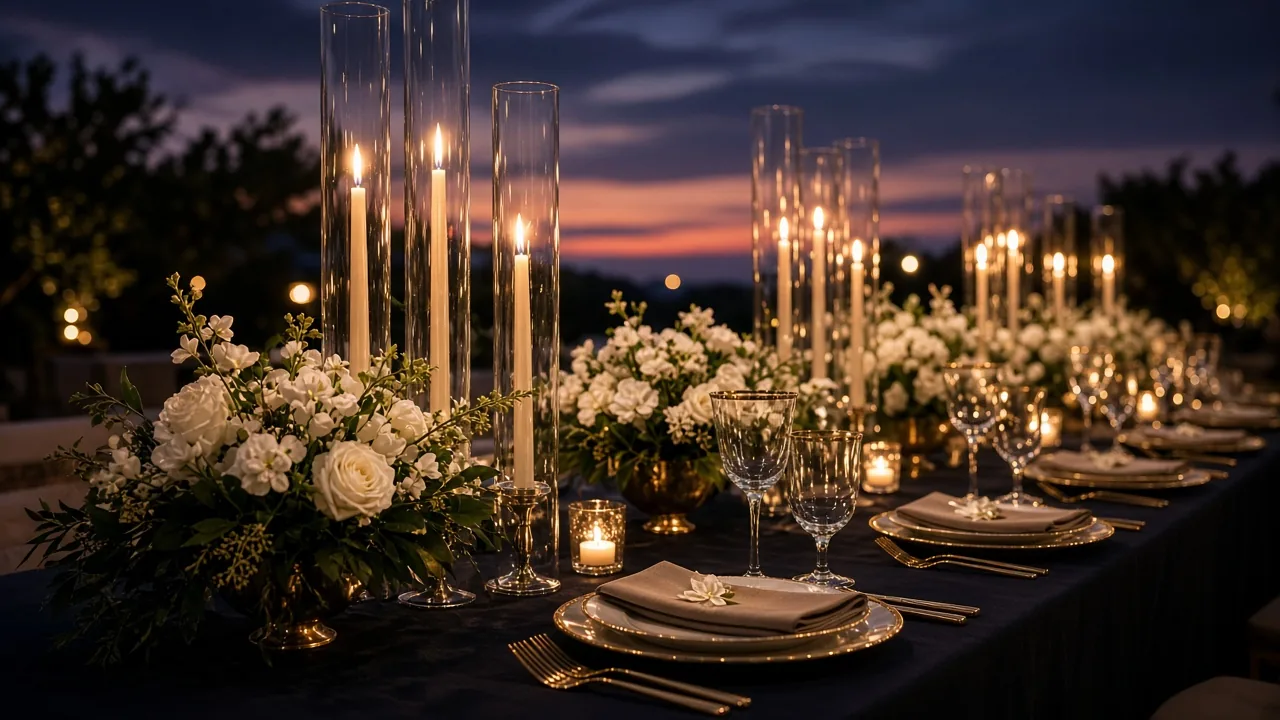
Bilingual invitations and a family far from home
Many debut guest lists include relatives who prefer Filipino, and friends who prefer English. You can write one invitation in both languages, or send the same facts twice on one page, as long as the date, the time, the venue, and the dress are identical in each. Do not leave a different start time in one language by accident.
If the debut is held outside the Philippines, a short explanation still helps older relatives who have flown in, and local friends who have never been to a debut. One or two sentences is enough. The programme can be on the page, in both languages if you wish, so that guests know when to be seated and when the 18 roses will begin.
When a large share of the family must travel, consider a save-the-date that also names the city. A relative booking a flight to “the debut” needs to know whether that means Manila, Toronto, or Dubai.
Common mistakes
- Inviting people to “a birthday party” when you mean a formal debut, so guests misjudge dress and timing.
- Naming 18 roses or 18 candles on a public invitation before they have been asked.
- Sending invitations too late for a family that is spread across countries.
- Using only numerals for the date.
- Leaving plus-ones unclear for a seated dinner.
- Explaining the tradition at such length that the time and place get lost.
What is a debut, if I have not been to one?
It is a Filipino coming-of-age celebration for a young woman turning 18, often a formal evening with dinner and a short programme. It is a birthday, and it is more formal than many 18th birthday parties.
When should debut invitations be sent?
Eight to twelve weeks ahead is a good range, with a save-the-date earlier if guests must travel. Ask programme participants before you send the general invitation.
Do I have to include 18 roses and 18 candles?
No. They are common and meaningful in many families, not compulsory. If you include them, ask each person directly.
How formal is the dress code?
Often formal or black tie, but it depends on the venue. Say so on the invitation, especially for guests who are new to the tradition.
Can I send a digital debut invitation?
Yes, and it is often the practical choice for a family living in more than one country. Send it just as early, and keep personal roles off the public page until people have accepted.
Name the debut, give the dress and the time in full, and ask for replies early enough to plan a seated evening. Browse the debut invitations when you are ready to send one.